Recently a friend told me about an acquaintence of hers who had recently returned from serving in Iraq where she caught MRSA as many in our military do.
MRSA is a virulent staph infection, that so far antibiotics can't cure, limbs are amputated, people sometimes die from it. Maybe that's why MRSA isn't talked about much.
I searched for information and found that there IS a CURE. It's important to talk about a proven treatment for these horrible ulcerations that people often continue to get once month!
This young woman was having her infections lanced - leaving her with terrible scars. MRSA is killing people and it's unfortunate that oftentimes our Western medicine closes its eyes to natural remedies
Honey has been used for centuries to heal many ailments.
. . . .With standard techniques exhausted, Eddy turned to a treatment used by ancient Sumerian physicians, touted in the Talmud and praised by Hippocrates: honey. Eddy dressed the wounds in honey-soaked gauze. In just two weeks, her patient's ulcers started to heal. Pink flesh replaced black. A year later, he could walk again. "I've used honey in a dozen cases since then," said Eddy. "I've yet to have one that didn't improve." Eddy is one of many doctors to recently rediscover honey as medicine. Abandoned with the advent of antibiotics in the 1940s and subsequently disregarded as folk quackery, a growing set of clinical literature and dozens of glowing anecdotes now recommend it. Most tantalizingly, honey seems capable of combating the growing scourge of drug-resistant wound infections, including group A streptococcus -- the infamous flesh-eating bug -- and methicillin-resistant Staphylococcus aureus, or MRSA, which in its most severe forms also destroys flesh. These have become alarmingly more common in recent years, with MRSA alone now responsible for half of all skin infections treated in U.S. emergency rooms. So-called superbugs cause thousands of deaths and disfigurements every year, and public health officials are alarmed.
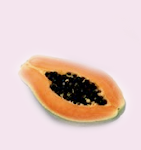
If you could only eat one fruit, an organic papaya should be it. Pound for pound, papayas contain more vitamin A than apricots, more vitamin C than oranges, and more potassium than a banana.
Gallery of Arts & Crafts
• Fabric art:
• Macramé,
• Tie-dye and Shibori designs
on t-shirts, canvas bags,
and other fabrics
• Tropical photo Greeting
Cards, small matted photos
• Jewelry, silver with gemstones, beach glass, recycled glass beads
~ and the Art Adventure continues ~